
Once you earn your CNA certification, the path forward is more open than a lot of people expect. Certification is the entry point into a healthcare career, but it is far from the end of the road. The healthcare field rewards workers who keep building their skills, and there are several directions you can take depending on your goals, your schedule, and the type of care you want to provide.
Continuing education after CNA certification does two things. It keeps your skills current, which matters in a field where protocols and best practices change over time. It also expands what you are qualified to do, which opens up more opportunities for employment and advancement.
Medication Administration Training
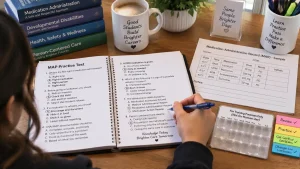
One of the most practical next steps for a CNA working in a residential or assisted living setting is completing a Medication Administration Program. In Massachusetts and many other states, CNAs are not automatically authorized to administer medications. A separate MAP course provides that authorization.
This training focuses on safe and accurate medication handling, documentation, and recognizing side effects or adverse reactions. For CNAs who want to take on more responsibility in their current role without changing their certification level, MAP is one of the most direct ways to do it.
Home Health Aide Certification
Some CNAs find that facility-based care is not the environment they want to work in long term. Home Health Aide certification is a natural next step for those who prefer providing care in a patient’s home.
What HHA Training Covers
HHA programs build on CNA skills by adding training in areas like meal preparation, household assistance, and working independently without the immediate support of a full nursing team. For CNAs who are drawn to one-on-one care and more personal patient relationships, HHA training is worth looking into.
Basic Life Support Recertification
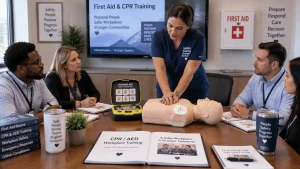
BLS certification does not last indefinitely. The American Heart Association requires renewal every two years. For CNAs who completed BLS during initial training, staying current with recertification is not just a professional obligation. It is a practical one.
What Changes in BLS Guidelines
BLS guidelines are updated periodically based on new research. Recertification courses cover any changes to CPR technique, AED protocols, and choking response procedures. Attending a full recertification rather than just reviewing old materials ensures your knowledge reflects current standards.
Specialty Care Training
As you gain experience, you may find yourself drawn to a particular patient population. Specialty training programs exist for CNAs interested in working with patients who have dementia, developmental disabilities, or who are receiving end-of-life care.
Dementia Care Training
Dementia care has become a high-need area in healthcare as the aging population grows. CNAs who complete specialized dementia care training are better equipped to handle the specific communication challenges, behavioral shifts, and safety considerations that come with this patient group. Some facilities actively seek CNAs with this background when hiring.
Pursuing an LPN or RN Bridge Program
CNA certification can serve as a stepping stone toward becoming a licensed practical nurse or a registered nurse. Bridge programs exist specifically for CNAs who want to advance in the clinical hierarchy without starting from scratch.
What to Expect from Bridge Programs
The timeline and requirements for LPN or RN bridge programs vary by state and institution. Some programs give credit for existing clinical experience, which can shorten the path. If advancing to a nursing role is a long-term goal, researching bridge program options in your state early helps you plan your continuing education with that endpoint in mind.
Online vs. In-Person Continuing Education
Some continuing education for CNAs is available online, while other courses require in-person attendance. Infection control updates, documentation practices, and certain specialty training modules can often be completed online. Skills-based courses like BLS recertification and MAP almost always require in-person components because hands-on practice is part of what gets evaluated.
Knowing which format works for your schedule and which format a specific program requires helps you choose options that will actually fit your life.
Keeping Your CNA Certification Active
In most states, CNAs are required to complete a minimum number of continuing education hours during each renewal period to keep their certification active. The specific requirements vary, but the general principle is the same. CNAs who do not meet renewal requirements may need to retake portions of their certification process.
Tracking your hours and keeping documentation of completed courses organized makes the renewal process straightforward. Some employers provide continuing education as part of employment, which is worth asking about when evaluating job offers.
The Value of Staying Current
The healthcare field moves forward, and the CNAs who move with it are the ones who build lasting careers. Continuing education does not have to mean going back to school full time. It can be a single course that adds a skill, a recertification that refreshes what you already know, or a specialty training that opens a new area of practice. The options are there. It is mostly a matter of knowing what they are and deciding which ones match where you want to go.