
The introduction you’ve written is solid. I would suggest expanding on the “importance of HHA work” by emphasizing the emotional rewards of being in this caregiving role. For example, mention how HHAs often become “a lifeline” for patients and families, providing not only care but also companionship, trust, and emotional support.
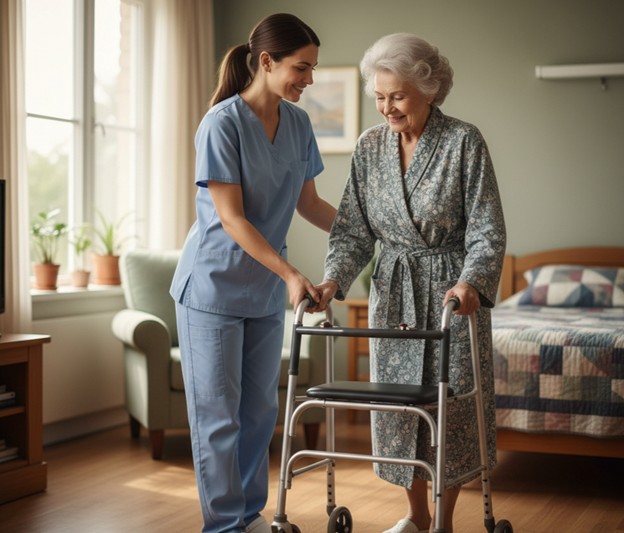
As an HHA, you don’t just perform tasks; you become an integral part of the patient’s life, helping them maintain independence and dignity during vulnerable times. The emotional satisfaction derived from knowing you’re improving someone’s quality of life is immeasurable.

You’ve outlined this section very well, and the “Eye-Level Rule” is a fantastic tip that adds a personal touch. I’d suggest expanding on non-verbal communication in more depth, especially in the context of patients with dementia or those who have difficulty communicating.
For patients with cognitive impairments or dementia, non-verbal communication becomes even more vital. A reassuring smile, a gentle touch on the hand, or simply maintaining eye contact can often convey more than words ever could.
The idea of maintaining patient dignity in every aspect of care is critical. I would suggest adding some specific scenarios or examples of how to handle delicate situations, like helping a patient use the bathroom or manage incontinence, which can often feel uncomfortable for both the patient and caregiver.
When assisting a patient with tasks such as bathing or dressing, it’s important to ask for their preferences. Simple gestures, like offering a towel for privacy or allowing them to choose the clothes they wear, can make a big difference in preserving their dignity.
This section is very well-organized and informative. To make it even more actionable, consider adding a practical example of how to prioritize tasks on a busy day.
For example, if you’re looking after multiple patients in a day, start by organizing your task list by urgency: First, help patients with medication reminders, then move on to personal care tasks, and save light housekeeping or appointment reminders for later.
This section is solid, but I’d suggest emphasizing ongoing learning. HHAs may not be expected to administer complex medical care, but they should always be prepared to spot health issues early.
Having a basic understanding of health monitoring techniques is just the beginning. As you gain experience, it’s essential to stay updated on new medical practices and patient care techniques. Taking continuing education courses or certifications in areas like CPR or basic first aid will help you stay ahead and provide even better care.
This section is really strong. I would just recommend adding some actionable tips on preventing injury due to physical strain.
In addition to lifting techniques, make sure to rotate tasks that require physical effort, like moving patients or assisting with transfers, to avoid over-exertion. Additionally, always ensure you’re in a comfortable stance when performing tasks—this helps reduce long-term stress on the body.
Great focus on empathy. To make it even more relatable, you can add a real-world example of a patient interaction where empathy made a difference.
For instance, if a patient is frustrated or anxious, rather than just completing the task at hand, take a few minutes to talk to them. Ask them how they’re feeling and listen carefully. This not only builds trust but can also alleviate anxiety and make the patient feel seen and heard.
You’ve done a great job explaining the importance of patience. Consider expanding on how to manage stress when dealing with difficult behavior in patients.
When dealing with a patient who is resistant to care, it can be frustrating. However, the key is to remain calm and non-confrontational. Take deep breaths, maintain a steady tone, and if needed, offer choices to the patient (e.g., ‘Would you prefer to take a shower now or after breakfast?’). This gives them a sense of control over their situation.
This section is excellent! You’ve covered punctuality and confidentiality well. One area to expand on could be the importance of being consistent in your actions and behavior.
Consistency is key in building trust with both your patients and their families. If you always show up on time and follow through on your care plan, you’ll be seen as reliable and trustworthy. This consistency gives the patient and their family peace of mind.
The structure here is solid, and I particularly like the actionable advice on self-reflection and mentorship. To improve it further, I would emphasize the role of peer support in skill development.
Joining peer support groups or online communities of HHAs can be incredibly valuable. You’ll gain insights from others’ experiences, learn new tips, and share challenges. Sometimes, discussing a difficult patient interaction with a colleague can lead to new perspectives and solutions.


a) Managing Stress: “How Can I Avoid HHA Burnout?”
I really like how you’ve covered burnout prevention here. You might also consider adding a mental health component, discussing how emotional stress can impact caregivers.
Taking care of your mental health is just as important as taking care of your physical health. Setting boundaries, knowing when to say ‘no,’ and seeking professional support when needed are vital steps in avoiding burnout.
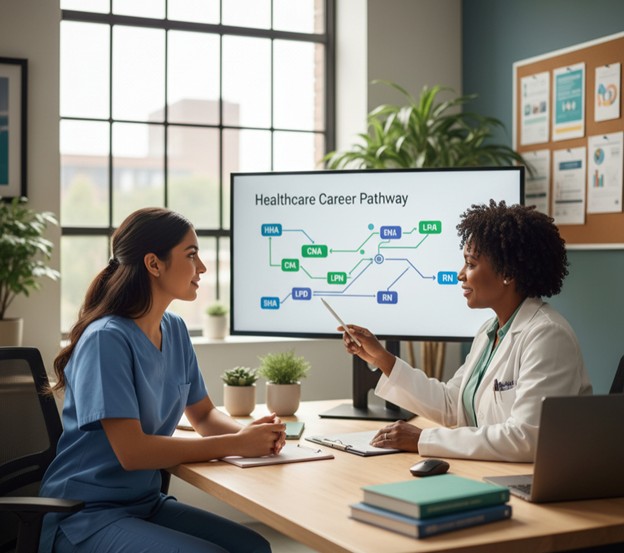
The salary data and job growth statistics you’ve added are great. I would recommend mentioning the possibility of lateral career moves, such as transitioning into specialized care areas like dementia care or hospice care, which could offer both professional growth and increased job satisfaction.
Many HHAs choose to specialize in areas such as hospice care, dementia care, or palliative care. Specializing not only increases your earning potential but also allows you to develop expertise in a field that is in high demand.

The conclusion is great, and the strong CTA at the end is excellent for conversions. To wrap it up even more effectively, you can add an inspirational quote or final thought to encourage readers to take action.
As an HHA, you are not just a caregiver, you are a hero in the lives of your patients. Remember, your commitment to excellence doesn’t just improve your career it changes lives. Take the next step in your journey today and start making a real difference.
Jocelyne Destine provides high-quality healthcare training programs, including CNA, HHA, BLS, and MAP courses. With a focus on practical learning and flexible options, we prepare students for rewarding careers in healthcare. Join us to unlock your potential and make a difference.
© 2024 One Health Training Center and Beyond