Somebody applies for a nursing assistant job, gets an offer, and shows up on day one with a CPR card in hand. The employer looks at it and says it doesn’t count. That’s not a made-up scenario. It happens often enough that it’s worth breaking down exactly why BLS and CPR aren’t the same thing, even though people use the terms like they’re interchangeable.
If you’re building a career in healthcare in Massachusetts, or you’re already working and your card is coming up for renewal, knowing the difference now saves you a wasted afternoon and, in some cases, saves you a job offer.
CPR Is Built for the General Public
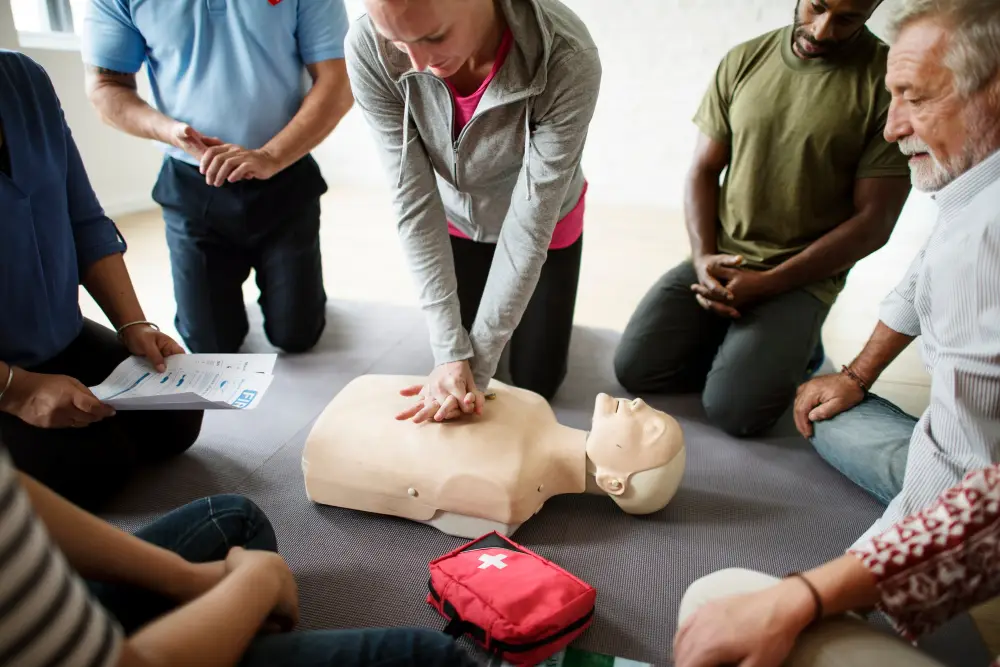
CPR, or cardiopulmonary resuscitation, is the training most people picture when they think about saving someone’s life: chest compressions, rescue breaths, using an AED. It’s designed for laypeople. Teachers, coaches, childcare workers, fitness trainers, and parents take CPR courses so they know what to do if someone in front of them stops breathing or goes into cardiac arrest.
CPR classes are usually shorter, cover single-rescuer scenarios, and focus on getting someone to act quickly rather than covering every clinical detail. It’s genuinely useful training and worth having even outside of work. But it isn’t built for a hospital floor or a clinical setting, and most healthcare employers know that.
BLS Is Built for People Working in Patient Care
Basic Life Support, or BLS, takes everything in a CPR course and builds further on it. It’s the certification designed specifically for healthcare providers and first responders. That includes nurses, physicians, physician assistants, nurse practitioners, EMTs, paramedics, dental staff, respiratory therapists, and certified nursing assistants.
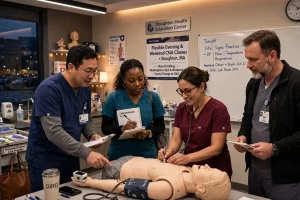
BLS covers two-rescuer CPR, where a team works together instead of one person handling everything alone. It covers bag-valve-mask ventilation, how to insert airway devices, and how to coordinate with a team during a resuscitation instead of reacting on your own. It also gets into recognizing cardiac arrest, stroke, and breathing emergencies as part of a bigger picture rather than a single isolated skill.
If you already hold a BLS certification, you automatically meet the requirements for basic CPR. It doesn’t work the other way around. A CPR card does not substitute for BLS in a clinical job, and this is exactly where the mix-up costs people time and sometimes an offer.
Why Employers Draw a Hard Line Here
Hospitals, clinics, long-term care facilities, and home health agencies aren’t being difficult when they ask for BLS specifically. The reasoning is straightforward. In a clinical setting, emergencies rarely involve just one person acting alone. There’s a team, there’s equipment, and there are protocols that go beyond compressions and rescue breaths. BLS trains you for that reality. CPR doesn’t, because it isn’t meant to.
So when a job posting says BLS is required, that’s not interchangeable language for CPR. It’s a specific credential tied to specific skills the employer needs you to have before you’re allowed near a patient in an emergency.
Checking What Your Job or Program Actually Requires
Before you book a course, look closely at the exact wording in your job description, your school’s clinical requirements, or your employer’s policy. A few things to watch for:
Look for the Phrase “BLS for Healthcare Providers”
This is a common way the certification gets listed, and it’s a clear signal that a general CPR class won’t be accepted, even if it covers similar material on paper.
Don’t Assume Online-Only Counts
Some employers won’t accept a fully online BLS certification without an in-person skills check, since the hands-on component, like proper hand placement and compression depth, needs to be demonstrated in front of an instructor, not just answered in a quiz.
Confirm Before You Register, Not After
If a job listing or clinical placement is ambiguous about which certification is needed, ask directly. It takes one phone call or email, and it beats paying for a course that doesn’t satisfy what your employer actually wants.
Both Expire on the Same Kind of Schedule
One thing BLS and CPR have in common: neither one lasts forever. Both are generally valid for two years, after which you’ll need to recertify. If your card has been sitting in a drawer for a while, check the expiration date before you assume you’re covered. Working with an expired certification, whether it’s BLS or CPR, can put your job or your clinical placement at risk the same way letting any other credential lapse would.
The Bottom Line
CPR is the right choice if you want life-saving skills for home, school, or community settings. BLS is the requirement if you’re working in or entering healthcare, where team-based response and provider-level skills are part of the job. They overlap, since BLS includes CPR skills, but they are not the same certification, and mixing them up is an easy way to lose time you didn’t need to lose.
If you’re not sure which one your role calls for, check your job description or ask your supervisor directly before you sign up for a class. A five-minute question now is a lot better than showing up on your first day with the wrong card in your pocket.