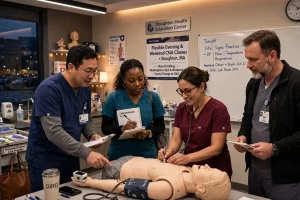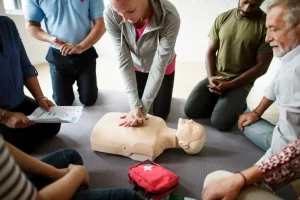

When it comes to home care, two of the most common roles you’ll hear about are HHA (Home Health Aide) and PCA (Personal Care Assistant). At first glance, they may seem similar, but there are distinct differences in responsibilities, training, and supervision. In short, HHAs provide both personal care and certain medical tasks under professional supervision, while PCAs focus primarily on non-medical personal support. Understanding these distinctions can help families, caregivers, and career seekers make informed choices.
Quick Overview: HHA vs PCA
Before diving deeper, here’s a quick snapshot comparing HHAs and PCAs:
| Feature | HHA (Home Health Aide) | PCA (Personal Care Assistant) |
| Medical Tasks | Yes (vital signs, medication reminders) | No |
| Supervision | Nurse/Agency | Family or caregiver |
| Training Hours | 75–120+ (varies by state) | 0–40+ (varies) |
| Work Settings | Home, hospitals, long-term care | Home, assisted living |
| Salary Range | $28k–$40k/year | $22k–$35k/year |
| Career Growth | Moderate | Limited |
Key Differences at a Glance:
- HHAs perform medical-related tasks; PCAs do not.
- HHAs require formal training and certification; PCAs may have minimal or on-the-job training.
- Supervision for HHAs is clinical; PCAs are often supervised by family members.
Understanding HHA (Home Health Aide)
What Does an HHA Do?
Home Health Aides play a vital role in supporting patients’ daily lives and health. Their responsibilities typically include:
- Daily living support: Assisting with bathing, dressing, grooming, toileting, and mobility.
- Medical monitoring: Checking vital signs, observing health changes, and reporting to a nurse.
- Light household tasks: Preparing meals, cleaning, laundry, and maintaining a safe home environment.
- Emotional support: Providing companionship, encouragement, and helping patients remain socially engaged.
HHAs often work with seniors, patients with chronic illnesses, or individuals recovering from surgery. Their presence ensures both safety and medical support at home or in healthcare facilities.
Training and Certification Requirements for HHA
HHAs are required to undergo formal training programs that meet state regulations. Typical requirements include:
- Training hours: 75–120+ hours, depending on state regulations.
- Curriculum: Includes anatomy, personal care skills, infection control, and basic medical tasks.
- Certification: Must pass a state-approved exam and background check.
- Continuing education: Required in some states to maintain certification and stay updated with best practices.
This structured training allows HHAs to safely assist patients with both personal and limited medical needs.
Work Settings and Career Outlook for HHA
HHAs work in a variety of environments, including:
- Home health agencies providing in-home care for seniors or post-surgery patients.
- Hospitals and rehabilitation centers, often assisting nurses with patient care.
- Long-term care facilities like nursing homes.
Career outlook: According to the U.S. Bureau of Labor Statistics, the demand for HHAs is expected to grow by about 23% over the next decade, reflecting the aging population and increasing need for home care services. Median pay ranges from $28,000–$40,000 per year, depending on location and experience.
Understanding PCA (Personal Care Assistant)
What Does a PCA Do?
PCAs provide essential personal support to clients but do not perform medical tasks. Typical duties include:
- Personal care assistance: Bathing, grooming, dressing, toileting, and mobility help.
- Non-medical support: Providing companionship, assisting with errands, and helping with household tasks.
- Meal preparation and light housekeeping to support independent living.
- Supervision: Usually under family members or non-medical agency staff rather than nurses.
PCAs are often ideal for clients who need help with daily activities but do not require medical monitoring.
Training and Certification Requirements for PCA
PCAs usually have less formal training requirements than HHAs, though this varies by state:
- Training: Often 0–40 hours of state-specific or agency-provided instruction.
- Certification/registration: Required in some states; in others, on-the-job training suffices.
- Focus: Primarily on personal care and daily living assistance rather than medical monitoring.
While PCA roles are less regulated, proper training ensures safety, comfort, and quality of life for clients.
Work Settings and Career Outlook for PCA
PCAs commonly work in:
- Home care settings, assisting seniors or individuals with disabilities.
- Assisted living facilities, supporting residents with daily routines.
Pay range: Typically $22,000–$35,000 annually, slightly lower than HHAs due to non-medical duties. Career growth may be more limited, but the role remains essential for family-centered care.
Key Differences Between HHA and PCA
| Aspect | HHA | PCA |
| Medical Tasks | Yes, under nurse supervision | No |
| Personal Care | Yes | Yes |
| Household Support | Light tasks | Light tasks |
| Supervision | Clinical | Family/Non-medical |
HHAs can perform limited medical duties; PCAs focus purely on personal support. Supervision and patient populations differ accordingly.
Training and Certification Comparison
- HHA: 75–120+ hours formal training, state certification, continuing education required.
- PCA: Minimal training (0–40 hours), may require registration in some states, generally no continuing education.
HHAs have stricter federal and state regulations due to their involvement in medical care.
Pay, Benefits, and Job Outlook Comparison
- HHA: $28k–$40k/year, often with benefits like insurance and retirement, moderate career growth.
- PCA: $22k–$35k/year, fewer benefits, limited advancement opportunities.
The differences reflect the additional responsibilities and required skill set for HHAs.
Quick Comparison Table: HHA vs PCA
| Feature | HHA (Home Health Aide) | PCA (Personal Care Assistant) |
| Medical Tasks | Yes (vital signs, medication reminders) | No |
| Supervision | Nurse/Agency | Family or caregiver |
| Training Hours | 75–120+ (varies by state) | 0–40+ (varies) |
| Work Settings | Home, hospitals, long-term care | Home, assisted living |
| Salary Range | $28k–$40k/year | $22k–$35k/year |
| Career Growth | Moderate | Limited |
Choosing Between HHA and PCA
Step 1: Identify Care Needs
Determine whether the patient requires medical monitoring or only personal assistance.
- Medical needs → HHA
- Non-medical assistance → PCA
Step 2: Evaluate Training and Certification
Check your state requirements for certification and training. HHAs require formal programs; PCAs may require less. Choose a path aligned with career goals.
Step 3: Consider Work Environment
- Home care vs agency vs facility
- Flexibility, schedule, and type of supervision
Step 4: Compare Compensation and Benefits
Analyze salary, benefits, and overtime eligibility. HHAs typically earn more due to medical responsibilities.
Step 5: Make an Informed Decision
Align your skills, interests, and client needs. Consider long-term growth potential, job stability, and your comfort level with medical tasks.
Frequently Asked Questions (FAQs)
Can a PCA perform medical tasks like an HHA?
No. PCAs provide non-medical personal care only, while HHAs can assist with basic medical tasks under supervision.
Which requires more training: HHA or PCA?
HHA training is longer and more formal, typically 75–120+ hours, while PCA training can be minimal or on-the-job.
Can a PCA become an HHA?
Yes. A PCA can pursue formal HHA training and certification to expand their scope of responsibilities.
What is the salary difference between HHA and PCA?
HHAs earn approximately $28k–$40k/year; PCAs earn around $22k–$35k/year.
Do HHAs or PCAs work in hospitals?
HHAs may work in hospitals and long-term care facilities. PCAs are more commonly home-based or in assisted living facilities.
Are HHA and PCA certifications recognized nationwide?
HHA certifications are regulated at the state level, so recognition varies. PCA requirements also differ by state.
What skills are essential for HHAs vs PCAs?
HHAs need clinical awareness, medical monitoring skills, and empathy. PCAs require strong personal care, communication, and household support skills.
Which job has better career advancement opportunities?
HHA roles generally offer greater advancement due to medical responsibilities and formal training.
Conclusion
In summary, the difference between HHA and PCA lies in scope, training, and responsibilities. HHAs provide personal care and limited medical tasks under professional supervision, while PCAs focus solely on non-medical support. Both roles are vital for patient care, and understanding these differences is essential for organizations like One Health and Beyond that aim to optimize quality home care. The right choice ultimately depends on individual patient needs, career aspirations, and the desired work environment.
Whether you’re a family member seeking care for a loved one or a professional considering a career path, understanding these differences ensures informed decisions. Decide which role fits your skills and goals best, and start your journey in providing high-quality home care today.