
The demand for home health aides in Massachusetts continues to grow, and there are no signs of it slowing down. As the population ages and more people prefer to receive care in the comfort of their own homes, this field has become one of the most reliable career paths in healthcare. If you have been thinking about entering this profession, now is the time to understand what lies ahead and how you can position yourself for success.
Why Home Health Aide Jobs Are Growing Across the State
Massachusetts has one of the fastest-growing senior populations in the country. Baby boomers are reaching retirement age, and many of them want to stay in their homes rather than move into assisted living facilities or nursing homes. This shift in preference has created a surge in demand for qualified home health aides who can provide daily support and assistance.
Beyond the aging population, there is also a growing recognition that home-based care often leads to better outcomes for patients. People tend to recover faster and feel more comfortable when they are surrounded by familiar settings. Healthcare systems across Massachusetts have taken notice, and many are expanding their home health services to meet this need.
Job Security & Steady Employment
One of the biggest advantages of pursuing a home health aide career in Massachusetts is job security. Unlike some industries that experience seasonal fluctuations or economic downturns, healthcare remains steady. People will always need care, and the demand for in-home services is only expected to increase over the next decade.
The Bureau of Labor Statistics projects that home health aide positions will grow significantly faster than most other occupations. In Massachusetts specifically, this growth is even more pronounced due to the state’s demographics and commitment to healthcare services.
What Home Health Aides Actually Do
If you are new to this field, you might be wondering what a typical day looks like for a home health aide. The work involves helping clients with activities of daily living, which can include bathing, dressing, meal preparation, light housekeeping, and medication reminders. Some aides also provide companionship and emotional support, which can be just as valuable as physical assistance.
The role requires patience, compassion, and a genuine desire to help others. You will often work one-on-one with clients, building relationships over time and becoming a trusted part of their daily routine. For many people in this profession, those personal connections are the most rewarding part of the job.
Skills That Matter Most
While formal training provides the foundation you need, certain personal qualities can make a real difference in this career. Good communication skills help you understand what your clients need and keep their families informed. Physical stamina is also important since the job can involve lifting, bending, and being on your feet for extended periods.
Flexibility is another key trait. Home health aides often work varied schedules, including evenings and weekends, depending on client needs. Being adaptable and reliable will make you stand out to employers and clients alike.
Certification Requirements in Massachusetts
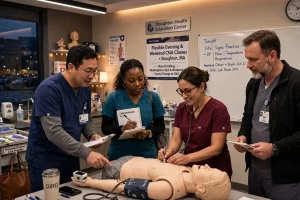
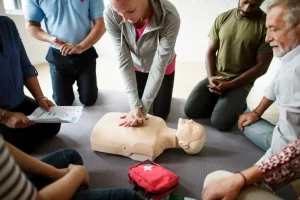
To work as a home health aide in Massachusetts, you need to complete an approved training program. The state has specific requirements for the number of hours and the topics that must be covered. This includes both classroom instruction and hands-on clinical experience.
After finishing your training, you may also need to pass a competency evaluation. Some employers have additional requirements, so it is a good idea to research the agencies or facilities where you want to work.
Continuing Education & Advancement
Your career does not have to stop at the entry level. Many home health aides use their experience as a stepping stone to other healthcare positions. With additional training, you could become a certified nursing assistant, a licensed practical nurse, or even a registered nurse. Massachusetts has numerous programs that support career advancement in healthcare, making it easier to continue your education while working.
What to Expect for Pay & Benefits
Salaries for home health aides in Massachusetts tend to be higher than the national average, thanks in part to the state’s cost of living adjustments and strong labor protections. Many employers also offer benefits such as health insurance, paid time off, and retirement plans.
The exact pay you can expect will depend on factors like your experience, the agency you work for, and the specific services you provide. Some aides who specialize in certain types of care or who work with private clients can earn more.
Getting Started in This Field
If a home health aide career sounds like the right fit for you, the first step is finding a reputable training program. Look for one that meets Massachusetts state requirements and offers hands-on experience. The investment in your education will pay off quickly once you enter the workforce.
This is a career where you can make a real difference in people’s lives while building a stable future for yourself. The opportunities in Massachusetts are strong, and the need for compassionate caregivers is only going to grow.